

Revision Knee Replacement Surgery
Revision knee replacement surgery for addressing complications or failure of a previous implant
Revision knee replacement surgery is a critical procedure designed to address complications or failures arising from a previous knee replacement. As patients age or as their needs change, it may become necessary to replace or adjust an existing implant to restore functionality and alleviate pain. This surgery can significantly enhance quality of life and mobility for individuals experiencing issues with their current knee replacement.
At Melbourne Orthopaedic Clinic, our team of experienced orthopaedic surgeons employs advanced techniques and technologies to ensure the best possible outcomes for patients undergoing revision knee replacement.
- Indications For Revision Knee Replacement Knee Replacement Surgery
- The Revision Knee Replacement Surgery Procedure
- Post-Operative Expectations After Revision Knee Replacement Surgery
- Recovery Timelines Following Revision Knee Replacement Surgery
- Risks Associated With Revision Knee Replacement Surgery
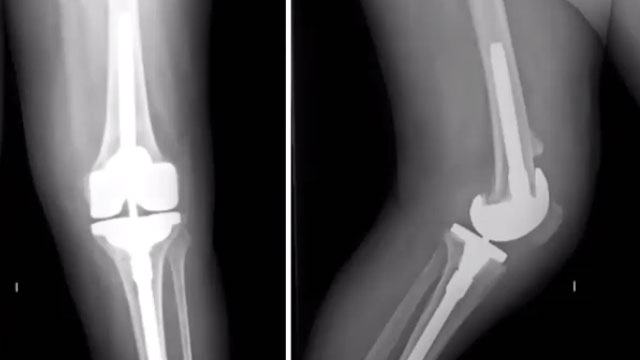
Indications For Revision Knee Replacement Knee Replacement Surgery
Patients may require revision knee replacement surgery for several reasons, including:
- Implant Failure: This can result from wear and tear over time, leading to loosening or instability of the artificial joint.
- Infection: Joint infections can compromise the integrity of the implant and necessitate removal or replacement.
- Persistent Pain: Ongoing pain or discomfort that does not improve with conservative treatments may indicate the need for revision.
- Joint Instability: Feelings of instability or “giving way” in the knee may require surgical intervention to restore function.
If you are experiencing issues with your knee replacement, a thorough evaluation by our specialists can help determine if revision surgery is the right option for you.
The Revision Knee Replacement Surgery Procedure
The revision procedure is typically more complex than a primary knee replacement and may involve the following steps:
- Preoperative Assessment: A comprehensive evaluation, including imaging studies, is conducted to assess the condition of the existing implant and surrounding structures.
- Surgical Approach: A new incision is made, often using the previous surgical site, to access the knee joint.
- Implant Removal: The existing implant is carefully removed, taking care to preserve as much surrounding bone and tissue as possible.
- Addressing Complications: If present, any infection or bone loss is treated, which may involve using bone grafts or additional stabilising measures.
- Implant Placement: A new prosthesis is then implanted, tailored to the patient’s specific anatomy and needs, ensuring optimal alignment and stability.
- Closure: The incision is closed with sutures or staples, and a sterile dressing is applied.
The surgery typically lasts between two to four hours, depending on the complexity of the case.
Post-Operative Expectations After Revision Knee Replacement Surgery
After revision knee replacement surgery, patients can expect a recovery process that includes:
- Pain Management: Initial discomfort is common and will be managed with prescribed medications and therapies.
- Physical Therapy: A structured rehabilitation program will commence, focusing on regaining range of motion and strength in the knee.
- Activity Limitations: Instructions will be provided regarding weight-bearing and activity restrictions to ensure proper healing.
The goal is to restore function while minimising the risk of complications during the recovery phase.
Recovery Timelines Following Revision Knee Replacement Surgery
Recovery from revision knee replacement surgery can vary based on individual circumstances, but the following timelines may be expected:
- First 1 to 2 Weeks: Focus on managing pain and starting gentle movements under supervision.
- 2 to 6 Weeks: Gradual increase in mobility, with physical therapy sessions aimed at improving strength and function.
- 6 Weeks to 3 Months: Many patients notice significant improvements and begin to engage in more activities of daily living.
- 3 to 6 Months: Increased activity levels, with continued progress in strength and knee function.
Regular follow-up appointments will be scheduled to monitor recovery and adjust rehabilitation plans as needed.
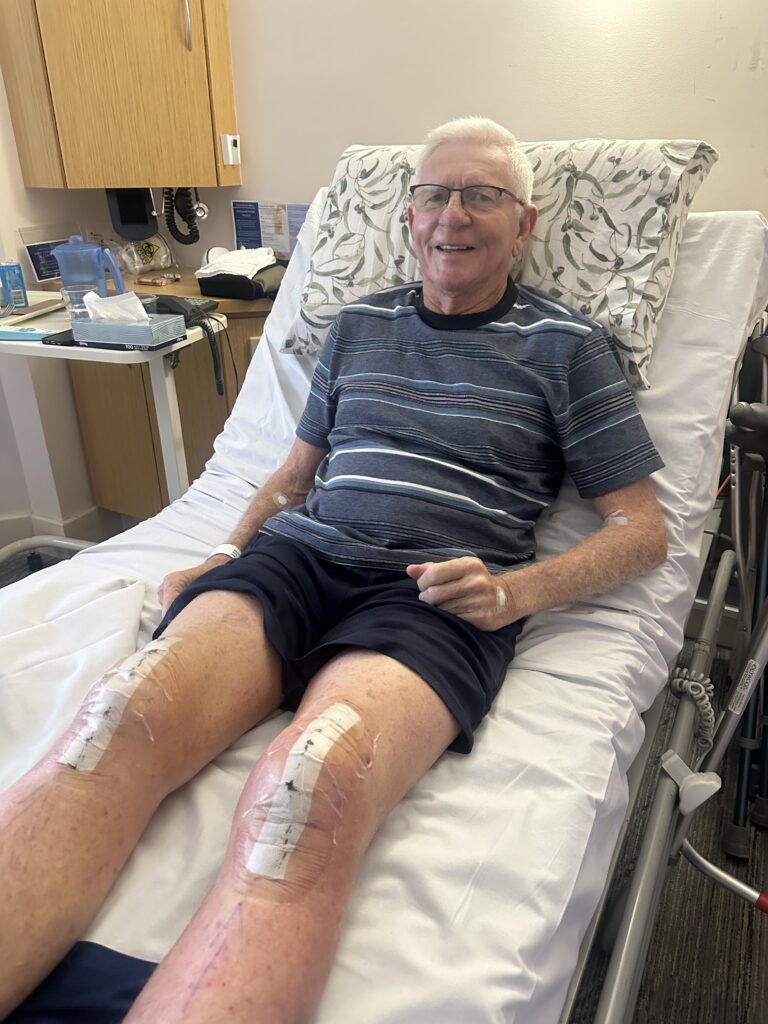
Risks Associated With Revision Knee Replacement Surgery
While revision knee replacement surgery can be highly effective, it is essential to be aware of potential risks, including:
General Surgical Risks
- Infection: Risk of infection at the surgical site, which may require antibiotics or further interventions.
- Bleeding: Potential for excessive bleeding during or after the procedure.
- Blood Clots: Development of deep vein thrombosis (DVT) is a concern that necessitates preventive measures.
- Anaesthesia Risks: Possible complications related to anaesthesia, discussed in the pre-operative consultation.
Specific Risks Related To Revision Knee Replacement Surgery
- Implant Failure: Although rare, the new implant may also fail or require further revision in the future.
- Persistent Pain or Stiffness: Some patients may continue to experience discomfort or limited motion after surgery.
- Nerve or Blood Vessel Injury: Rarely, surrounding nerves or blood vessels may sustain damage during the operation.
- Limited Range of Motion: There may be a risk of developing stiffness in the joint post-surgery.