
Microdiscectomy
Minimally invasive relief for herniated discs
Microdiscectomy is a surgical procedure designed to relieve nerve root compression caused by herniated discs in the spine. This minimally invasive technique focuses on removing a portion of the herniated disc material that is pressing on spinal nerves, alleviating pain, numbness, and weakness.
What is Microdiscectomy?
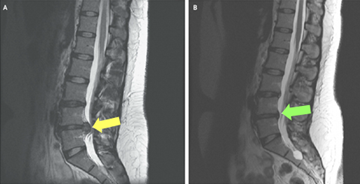
A microdiscectomy is a minimally invasive spinal surgery designed to relieve symptoms caused by a herniated or damaged disc. In this procedure, the surgeon removes the small portion of disc material that is pressing on a nearby nerve root, helping to reduce pain, numbness, or weakness in the back, legs, or arms. Unlike a traditional open discectomy, a microdiscectomy uses a much smaller incision and specialised instruments, often with the assistance of a surgical microscope. This approach minimises disruption to surrounding muscles and tissues, which can lead to faster recovery and less post-operative discomfort.
Microdiscectomy is commonly performed in the lumbar (lower back) region but may also be used in other areas of the spine where nerve compression is present.
Indications for Microdiscectomy Treatment
Microdiscectomy is typically indicated for patients who experience:
- Sciatica: Radiating pain down the leg due to nerve root compression.
- Herniated Disc: Protrusion of disc material that compresses spinal nerves.
- Persistent Pain: Severe symptoms that do not improve with conservative treatments, such as physical therapy and medication.
The Microdiscectomy Procedure
- Anaesthesia: The procedure is performed under general anaesthesia, ensuring that the patient is comfortable and pain-free.
- Incision: A small incision (usually around 2-3 cm) is made in the lower back.
- Microscopic Visualisation: Using an operating microscope, the surgeon gently retracts the muscles to access the affected area.
- Disc Removal: The herniated portion of the disc is identified and carefully removed to relieve pressure on the nerve root.
- Closure: The incision is closed with sutures or staples, and a dressing is applied.
Recovery After Microdiscectomy
Recovery following a microdiscectomy is generally quicker than with more invasive spinal procedures, thanks to the smaller incision and reduced muscle disruption. Healing times vary however, depending on your overall health, activity level, and the extent of your surgery.
Immediately after surgery
- Most patients are able to walk within hours of the procedure.
- You may be discharged on the same day or after an overnight stay, depending on your progress and Prof. Hunts recommendations.
- Pain relief is often noticeable soon after surgery, though some residual discomfort or nerve irritation may persist temporarily.
First few weeks
- Light activities such as walking are encouraged to promote circulation and reduce stiffness.
- Bending, lifting, or twisting movements should be avoided until your surgeon confirms it is safe.
- Your stitches or dressing will be checked, and follow-up appointments scheduled to monitor healing.
Physiotherapy and rehabilitation
- A structured physiotherapy programme is often introduced to help restore strength, flexibility, and spinal stability.
- Exercises are gradually increased as healing progresses, with the aim of supporting long-term spinal health and preventing recurrence.
Return to normal activities
- Many people return to light work within 2–4 weeks, while more physically demanding jobs may require 6–8 weeks or longer.
- Driving, sport, and higher-impact activities are usually reintroduced gradually, under your surgeon’s guidance.
Prof. Justin Hunt will provide tailored recovery advice based on your lifestyle, type of work, and activity goals, ensuring you have clear guidance at every stage of your recovery.

Long-term Outcomes
For many patients, microdiscectomy provides significant and lasting relief from leg pain (sciatica) caused by a herniated disc. By removing the portion of disc pressing on the nerve, most individuals experience improved mobility, reduced discomfort, and an enhanced ability to return to work, exercise, and daily activities.
Sustained benefits
- Relief of leg pain is often more reliable than relief of back pain, which may persist in some cases.
- Many patients regain their previous activity levels within a few months, provided they follow rehabilitation and activity guidelines.
Risk of recurrence
- While most patients do well long term, there is a small chance of recurrent disc herniation at the same level or another part of the spine.
- Maintaining a healthy weight, staying active, and practising proper posture and lifting techniques can reduce the risk of further spinal issues.
Ongoing spine health
- Regular physiotherapy and strengthening exercises may help protect the spine and maintain flexibility.
- Some patients with underlying degenerative changes may still develop ongoing back pain or require future spinal treatments.
Prof. Hunt will monitor your recovery and provide long-term strategies to support spinal health, reduce the risk of recurrence, and help you achieve the best possible outcome for your lifestyle.
Risks and Complications
As with any surgical procedure, microdiscectomy carries some potential risks. Although complications are uncommon, it is important to be aware of them when considering treatment. These may include:
- Infection at the surgical site.
- Bleeding or haematoma formation.
- Nerve injury or dural tear, which can occasionally result in spinal fluid leakage.
- Recurrent disc herniation, where the disc may herniate again at the same level.
- Persistent or recurrent symptoms, including leg pain or back discomfort.
- Anaesthesia-related complications, such as allergic reactions or breathing difficulties.
Prof. Hunt will discuss these risks with you before surgery, outline the steps taken to minimise complications, and provide clear guidance on recovery and follow-up care.