

Wrist and Hand Fusion
Stabilising painful or damaged joints in the hand and wrist through surgical fusion
The joints of the hand and wrist allow for a wide range of movement required for everyday activities such as gripping, lifting, and fine motor tasks. When these joints are affected by conditions such as arthritis, injury, or instability, they can become painful, weak, or difficult to use.
Hand and wrist fusion, also known as arthrodesis, is a surgical procedure that involves joining the bones of a joint together. This is done to reduce pain, improve stability, and support function where joint surfaces are significantly damaged or no longer functioning effectively.
By eliminating movement at the affected joint, fusion aims to provide a more stable and comfortable position for the hand or wrist. While some motion is lost, the procedure may allow improved use of the hand for daily activities.
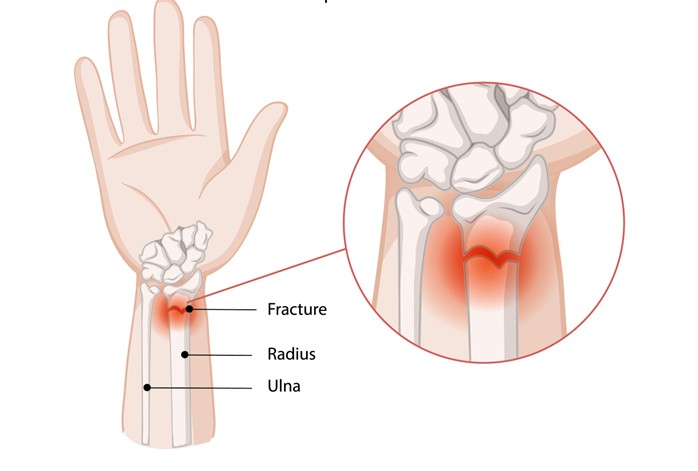
What is hand and wrist fusion?
Hand and wrist fusion, also known as arthrodesis, is a surgical procedure that involves joining two or more bones together to form a single, stable unit. This is typically performed when a joint has become painful, unstable, or significantly damaged, and other treatment options have not provided sufficient relief. In a normal joint, smooth cartilage allows bones to move freely against each other. When this cartilage is worn away, often due to arthritis, injury, or long-term joint stress, movement can become painful and less controlled. Fusion removes the damaged joint surfaces and fixes the bones together using plates, screws, or other fixation devices, allowing them to heal as one solid bone.
The primary aim of hand and wrist fusion is to reduce pain and improve stability. While the procedure limits or eliminates movement at the affected joint, it can provide a more reliable and comfortable position for the hand or wrist during everyday activities. Fusion may be performed at different joints depending on the underlying condition. This can include small joints in the fingers, part of the wrist, or the entire wrist joint. The specific approach will depend on which joint is affected and how it is impacting your function.
Understanding the balance between pain relief, stability, and loss of movement is an important part of deciding whether hand or wrist fusion is appropriate for your individual situation.
Conditions that may require hand or wrist fusion
Hand and wrist fusion may be considered when a joint has become painful, unstable, or significantly damaged, and non-surgical treatment options have not provided sufficient relief. The procedure is typically recommended to address conditions that affect the structure and function of the joint, particularly where movement itself is a source of pain.
Common conditions that may lead to consideration of fusion include:
- Osteoarthritis – Degeneration of the joint cartilage over time can lead to pain, stiffness, and reduced movement. This is a common cause of joint damage in both the hand and wrist.
- Rheumatoid arthritis – This inflammatory condition can affect multiple joints, leading to joint destruction, deformity, and instability. Fusion may be considered to improve alignment and reduce pain in affected joints.
- Post-traumatic arthritis – Previous injuries such as fractures or ligament damage can lead to long-term joint changes, resulting in pain and reduced function.
- Joint instability – Damage to the supporting ligaments or structures of the joint can result in excessive movement or loss of control, which may make the joint painful or unreliable during use.
- Severe joint deformity – Conditions that alter the normal alignment of the hand or wrist may lead to functional limitations and discomfort, where fusion can help restore a more stable position.
- Failed previous surgery – In some cases, fusion may be considered following other procedures that have not achieved the desired outcome, particularly where pain or instability persists.
The decision to proceed with fusion depends on a combination of factors, including the severity of joint damage, your symptoms, and how the condition is affecting your ability to perform everyday activities. A thorough assessment helps determine whether fusion is an appropriate option for your individual situation.
Symptoms and when fusion may be considered
Conditions affecting the hand and wrist joints can lead to a range of symptoms that impact comfort, strength, and day-to-day function. These symptoms often develop gradually, although they may also follow an injury or worsen over time.
Common symptoms may include:
- Persistent joint pain – Pain is often felt during movement or when using the hand for activities such as gripping, lifting, or weight-bearing. In more advanced cases, pain may also be present at rest.
- Joint stiffness and reduced movement – You may notice difficulty bending, straightening, or rotating the affected joint. Stiffness can limit your ability to perform everyday tasks.
- Weakness and reduced grip strength – Damage to the joint can affect the ability to grip, pinch, or hold objects, making tasks such as opening jars or carrying items more difficult.
- Joint instability or loss of control – Some joints may feel loose, unstable, or unreliable, particularly during movement or weight-bearing activities.
- Swelling or deformity – Changes in the shape or alignment of the joint may occur over time, particularly in conditions such as arthritis.
When fusion may be considered
Hand or wrist fusion may be considered when symptoms are ongoing, progressive, or significantly affecting function, and where other treatment options have not provided sufficient relief.
Fusion may be discussed if:
- Pain is persistent despite non-surgical management, including physiotherapy, splinting, or medication
- The joint has become unstable or structurally compromised
- There is significant joint damage or deformity seen on imaging
- Movement of the joint itself is a primary source of pain
- Daily activities are limited by pain, weakness, or lack of control
The goal of fusion is to provide a more stable and less painful joint position, even though this involves reducing or eliminating movement at that joint.
A thorough clinical assessment helps determine whether fusion is an appropriate option based on your symptoms, functional goals, and lifestyle requirements.
How hand and wrist conditions are assessed and diagnosed
Assessment of hand and wrist conditions involves understanding your symptoms, evaluating how the joint is functioning, and identifying the underlying cause of pain, stiffness, or instability. The process typically begins with a detailed clinical history. This includes discussing where your symptoms are located, how long they have been present, what activities aggravate them, and how they are affecting your daily function and hand use.
A focused physical examination is then performed. This may involve assessing:
- Range of movement in the affected joints
- Grip strength and pinch strength
- Areas of tenderness or swelling
- Signs of joint instability or deformity
- Functional tasks to understand how the hand performs during everyday activities
Imaging studies are commonly used to further assess the structure of the joint and confirm the diagnosis. These may include:
- X-rays –X-rays are often the first-line investigation and can show joint space narrowing, bone spurs, or changes in alignment associated with arthritis or previous injury.
- CT scan (Computed Tomography) – A CT scan may be used to provide more detailed assessment of the bony structures, particularly in complex cases or following trauma.
- MRI (Magnetic Resonance Imaging) – MRI can provide detailed information about soft tissues, including ligaments, cartilage, and surrounding structures, and may be useful in selected cases.
- Additional tests (if required) – In some situations, further investigations may be used to assess inflammatory conditions or differentiate between possible causes of symptoms.
Not all patients will require every investigation. The choice of tests will depend on your symptoms, clinical findings, and the suspected underlying condition. A clear understanding of both your clinical presentation and imaging findings helps guide appropriate treatment options tailored to your individual needs.

Surgical approach to hand and wrist fusion
Hand and wrist fusion is performed to stabilise a joint and reduce pain by permanently joining the bones together. The specific surgical approach will depend on the joint involved, the underlying condition, and your individual functional requirements. The procedure is typically performed under regional or general anaesthesia, depending on the extent of surgery and your overall health.
Key steps in the procedure may include:
- Preparation of the joint
The damaged cartilage surfaces are carefully removed to expose the underlying bone. This creates an environment that allows the bones to heal together as a single unit. - Positioning of the joint
The joint is positioned in a way that aims to provide the best possible function and comfort for everyday activities. This step is important, as the fused joint will no longer move. - Fixation of the bones
The bones are held in place using plates, screws, or wires, depending on the joint and surgical technique. This stabilisation allows the bones to fuse over time. - Bone healing (fusion process)
Over several weeks to months, the bones gradually grow together to form a solid, stable structure. This process is known as fusion.
Types of hand and wrist fusion
The type of fusion performed depends on the location and extent of joint damage:
- Finger joint fusion
Often used for smaller joints in the fingers to relieve pain and improve alignment. - Partial wrist fusion
Involves fusing selected bones within the wrist to preserve some movement while improving stability. - Total wrist fusion
Involves fusing the entire wrist joint, typically in cases of severe arthritis or instability, resulting in a stable but non-moving wrist.
The choice of surgical technique is tailored to your symptoms, functional needs, and the specific joint involved. The aim is to achieve a balance between pain relief, stability, and overall hand function. As with any surgical procedure, there are potential risks and complications, which will be discussed with you as part of the decision-making process.
Recovery and rehabilitation after hand and wrist fusion
Recovery following hand and wrist fusion is a gradual process that focuses on allowing the bones to heal, protecting the surgical site, and restoring function in the hand.
The overall recovery timeline can vary depending on the joint involved, the type of fusion performed, and your individual healing response.
Early recovery (first few weeks)
After surgery, your hand or wrist is typically supported in a splint or cast to protect the fusion site. During this period:
- The focus is on protecting the joint while the bones begin to heal
- You may be advised to elevate the hand to help reduce swelling
- Gentle movement of the fingers (if appropriate) is encouraged to maintain circulation and prevent stiffness
- Pain management strategies will be discussed to support comfort during the early phase
Bone healing and protection
The fusion process, where the bones grow together into a solid, stable structure, usually takes several weeks to months. During this time:
- Activities involving gripping, lifting, or weight-bearing are typically limited
- Follow-up appointments and imaging may be used to monitor healing progress
- Your splint or cast may be adjusted or transitioned as healing progresses
Rehabilitation and return to function
Once there is evidence of healing, a structured rehabilitation program may begin. This often includes:
- Physiotherapy or hand therapy to improve strength and function
- Gradual return to daily activities based on comfort and stability
- Guidance on safe movement patterns to protect the fused joint
Although movement at the fused joint is reduced or eliminated, surrounding joints are often able to compensate, allowing improved overall function and comfort.
Long-term outlook
The aim of hand and wrist fusion is to achieve a stable, less painful joint position. Many individuals experience improvement in symptoms, particularly where pain was limiting function prior to surgery. Recovery outcomes can vary depending on the underlying condition and the extent of surgery. In some cases, adjustments to how certain tasks are performed may be required due to the loss of joint movement.
Ongoing follow-up is important to ensure healing is progressing as expected and to support your return to everyday activities.