
ACL Reconstruction
Restoring stability and function to the knee joint
The anterior cruciate ligament (ACL) plays a vital role in stabilising the knee, particularly during activities involving sudden changes in direction, jumping, and running. ACL reconstruction is a surgical procedure aimed at repairing or replacing a torn ACL, typically caused by sports-related injuries or trauma. This procedure is essential for restoring knee stability, reducing pain, and allowing patients to return to their previous level of activity.
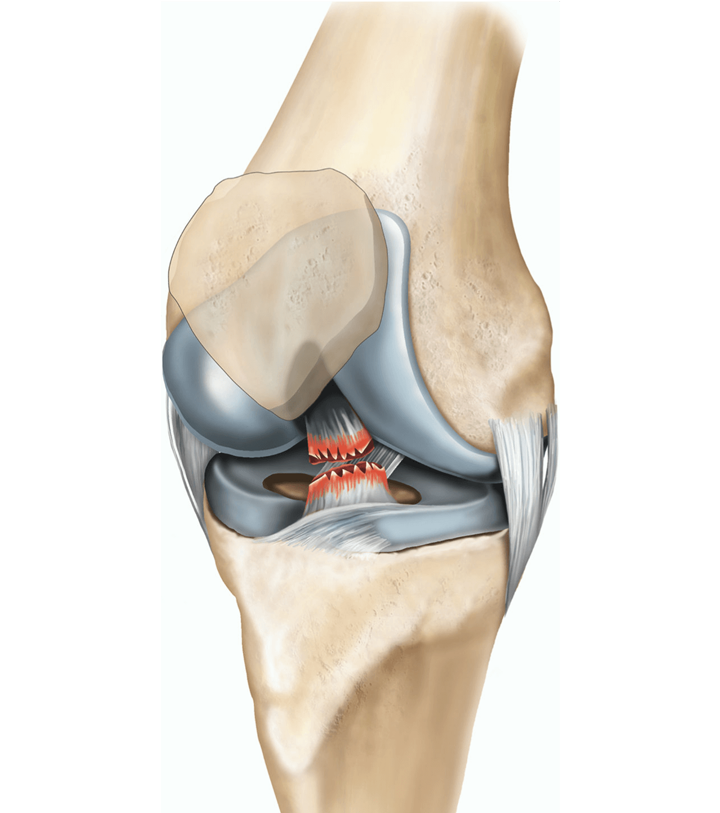
What is ACL Reconstruction?
ACL reconstruction involves the replacement of a damaged or torn ACL with a graft, typically taken from the patient’s own tendon (autograft) or from a donor (allograft). The goal of the procedure is to restore the function of the knee, reduce the risk of further joint damage, and help the patient return to normal activities such as sports or physical exercise.
Indications for ACL Reconstruction
ACL reconstruction is usually recommended when:
- The ACL is completely torn or ruptured, and non-surgical treatments like physical therapy cannot restore knee function.
- The patient is experiencing instability or pain that limits their ability to perform daily activities or participate in sports.
- The patient is young and active, and wishes to return to high-impact activities.
- There is significant damage to other knee structures, such as the meniscus or cartilage, which can be addressed during the same surgery.
The ACL Reconstruction Procedure
The procedure is performed under general or regional anaesthesia and typically follows these steps:
- Anaesthesia: The surgery is performed under either general anaesthesia or spinal anaesthesia.
- Incision: Small incisions are made around the knee to allow the surgeon to access the joint.
- Graft Harvesting: If using an autograft, a tendon (usually from the patella or hamstring) is harvested from the patient’s body to serve as the replacement ligament. In the case of an allograft, the graft is sourced from a donor.
- ACL Removal: The damaged ACL is removed, and the area is cleaned to prepare for the new graft.
- Graft Placement: The graft is carefully positioned and attached to the femur and tibia with screws or other fixation devices.
- Closure: The incisions are closed with sutures, and a sterile dressing is applied.
Recovery After ACL Reconstruction
Recovery following ACL reconstruction requires careful attention to rehabilitation and post-operative care. Patients can expect:
- Hospital Stay: Most patients are able to go home the same day or after a short stay in the hospital.
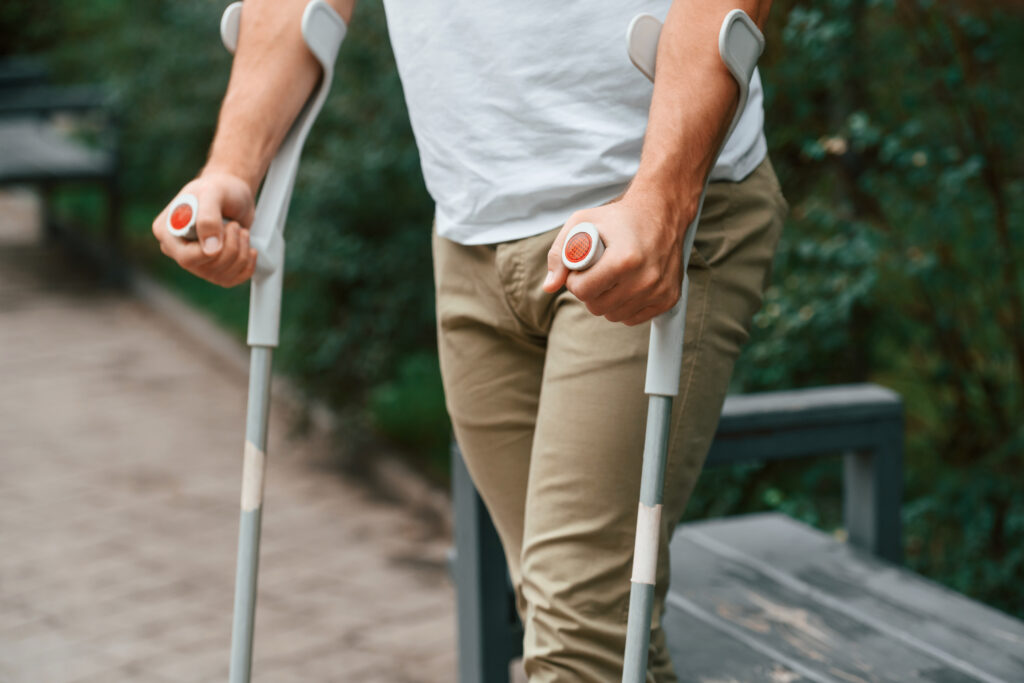
- Weight Bearing: Immediately after surgery, weight-bearing may be restricted to protect the new graft. Crutches or a walker are typically used in the initial stages of recovery.
- Rehabilitation: A structured rehabilitation program is essential for recovery. Physiotherapy is key to restoring strength, flexibility, and knee function, and typically begins within a few days after surgery.
- Return to Activity: The time to return to sports or high-impact activities generally ranges from 6 to 12 months, depending on the individual’s recovery progress and your surgeon’s assessment.
Long-term Outcomes
Most patients experience significant improvements in knee stability, function, and pain relief after ACL reconstruction. With proper rehabilitation and adherence to recovery protocols, many patients are able to return to sports and physical activities at a high level. A small percentage of patients may, however, experience issues such as graft failure or persistent instability, which can be addressed with further treatment.
Risks and Complications
As with any surgery, ACL reconstruction carries potential risks, including:
- Infection at the surgical site
- Blood clots (deep vein thrombosis)
- Graft failure or re-tear
- Knee stiffness or limited range of motion
- Persistent pain or swelling
- Nerve or blood vessel injury
The team at Melbourne Orthopaedic Clinic will thoroughly discuss these risks and work to minimise complications by following the highest standards of care.
ACL reconstruction is a highly effective procedure for restoring knee stability and function after an ACL injury. With the expert care and guidance of the Melbourne Orthopaedic Clinic team, patients can look forward to a successful recovery and return to their active lifestyle.