
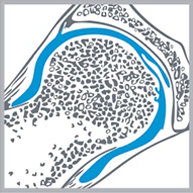
Shoulder Arthroscopy
A minimally invasive surgical approach used to diagnose and treat a range of shoulder conditions affecting tendons, cartilage, and soft tissues.
Shoulder arthroscopy is a minimally invasive surgical technique used to assess and treat many common shoulder problems. Using a small camera and specialised instruments, surgeons can address damaged soft tissues inside the shoulder joint through small incisions, rather than traditional open surgery.
Arthroscopic shoulder surgery may be recommended for conditions such as rotator cuff tears, shoulder impingement, bursitis, and biceps tendon injuries when non-surgical treatments have not provided adequate relief. The approach allows for precise visualisation of the joint and targeted treatment of the underlying problem.
At Melbourne Orthopaedic Clinic, shoulder arthroscopy is performed following a thorough clinical assessment and imaging, with the goal of improving pain, function, and shoulder stability.
- What is shoulder arthroscopy?
- Conditions treated with shoulder arthroscopy
- Rotator cuff repair
- Shoulder impingement surgery
- Biceps tenodesis
- How shoulder arthroscopy is performed
- Recovery after shoulder arthroscopy
- Risks and considerations
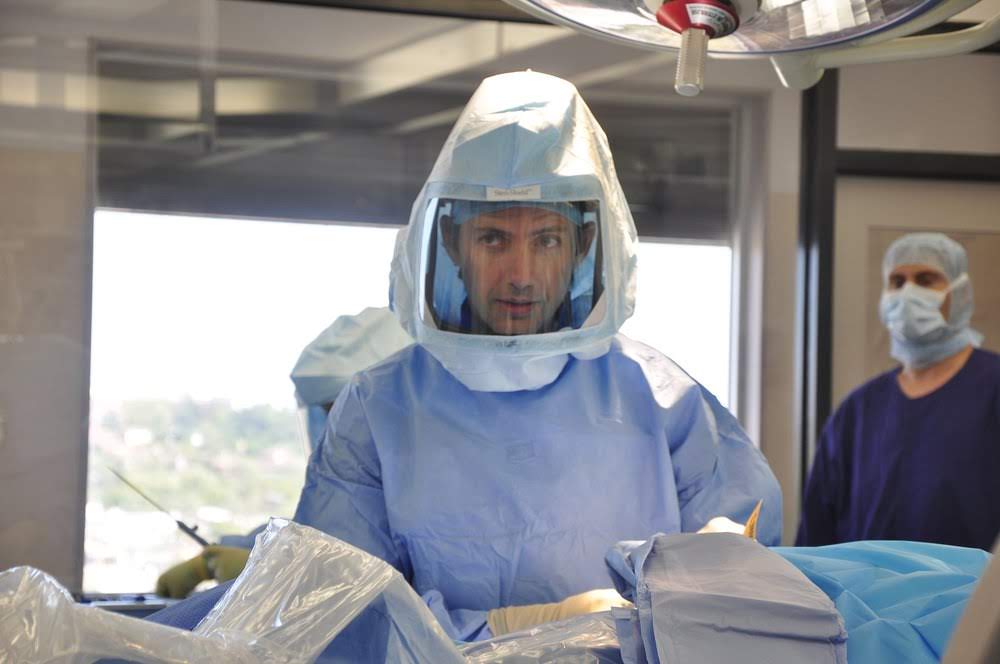
What is Shoulder Arthroscopy
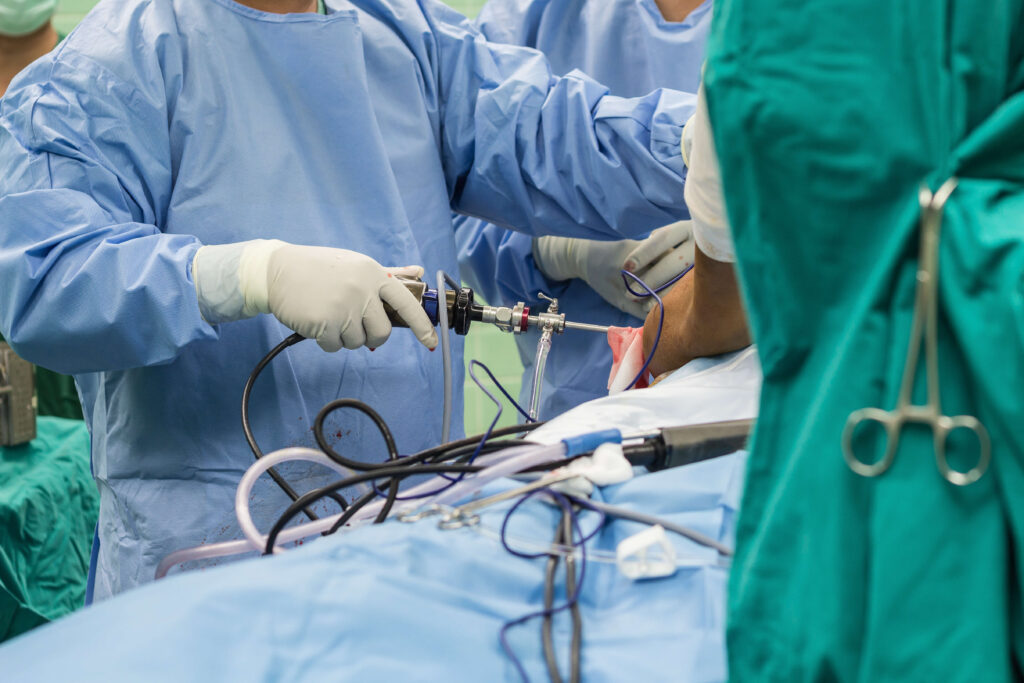
Shoulder arthroscopy involves inserting a small camera, called an arthroscope, into the shoulder joint through a small incision. The camera transmits real-time images to a monitor, allowing the surgeon to examine the joint structures in detail.
Through additional small incisions, specialised instruments are used to treat damaged tissue. Arthroscopy can be used to:
- Repair or debride torn tendons
- Remove inflamed tissue or bony spurs
- Address tendon or biceps pathology
- Improve shoulder mechanics and reduce pain
Because the procedure is performed through small incisions, arthroscopy typically causes less disruption to surrounding tissues compared with open surgery.
Conditions Treated with Shoulder Arthroscopy
Shoulder arthroscopy may be used to manage a range of soft tissue shoulder conditions, including:
- Rotator cuff tears and tendinopathy
- Shoulder impingement and bursitis
- Biceps tendon injuries
- Labral tears and instability
- Loose bodies or cartilage damage
The specific procedure performed depends on the diagnosis, imaging findings, and individual symptoms.
The rotator cuff is a group of muscles and tendons that stabilise the shoulder and allow controlled arm movement. When one or more of these tendons is torn, shoulder arthroscopy may be used to perform a rotator cuff repair.
During arthroscopic rotator cuff repair:
- Torn tendons are reattached to the bone using sutures and anchors
- Damaged or frayed tissue may be trimmed
- Associated inflammation or bursitis can be addressed at the same time
Rotator cuff repair aims to restore tendon attachment and improve shoulder strength and function, although recovery requires time and structured rehabilitation.
Shoulder impingement occurs when the rotator cuff tendons or bursa are compressed during arm movement, leading to pain and inflammation. When non-surgical treatments are unsuccessful, arthroscopic impingement surgery may be considered.
This procedure may involve:
- Removal of inflamed bursal tissue (bursectomy)
- Smoothing or reshaping bone contributing to tendon compression
- Improving the space available for tendon movement
The goal of impingement surgery is to reduce irritation of the rotator cuff and support smoother shoulder movement.
The long head of the biceps tendon runs through the shoulder joint and can be a source of pain due to inflammation, instability, or tearing. Biceps tenodesis is an arthroscopic procedure used to treat biceps tendon pathology.
During biceps tenodesis:
- The damaged portion of the biceps tendon is released from its attachment inside the shoulder
- The tendon is then reattached to the upper arm bone (humerus) outside the joint
This procedure may reduce pain while preserving arm strength and function. Biceps tenodesis is often performed alongside rotator cuff or labral surgery when appropriate.
How Shoulder Arthroscopy is Performed
Shoulder arthroscopy is typically performed under general anaesthesia, sometimes combined with regional anaesthesia for pain control.
The procedure involves:
- Small incisions around the shoulder
- Arthroscopic inspection of joint structures
- Targeted treatment based on the identified pathology
- Closure with small sutures or adhesive strips
Most procedures are completed as day surgery, depending on the complexity of the operation and individual recovery needs.
Recovery After Shoulder Arthroscopy
Recovery depends on the specific procedures performed. In general:
- A sling may be required for a period following surgery
- Physiotherapy is an important part of recovery
- Rehabilitation progresses gradually, focusing on movement, strength, and function
- Return to work or sport varies based on the procedure and activity demands
Your surgeon will provide personalised guidance on recovery timelines and rehabilitation based on your surgery.
Risks And Considerations
As with all surgery, shoulder arthroscopy carries potential risks, including infection, stiffness, persistent pain, or incomplete symptom relief. The specific risks vary depending on the procedure performed.
During your consultation, your surgeon will explain the potential risks and benefits relevant to your condition, ensuring you are able to make an informed decision.