Trigger Finger
A condition characterised by painful catching or locking of the finger during movement
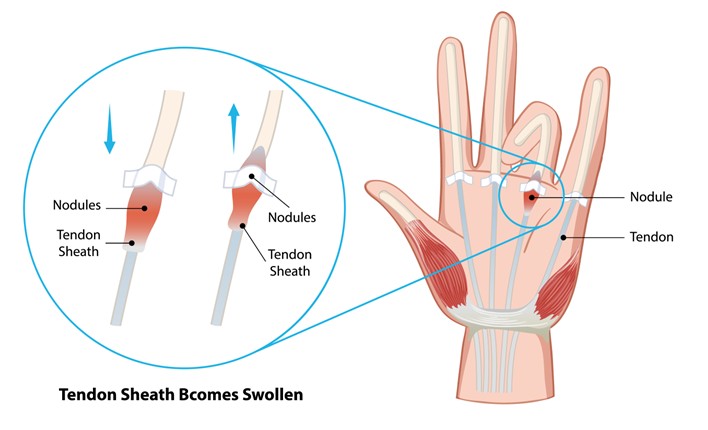
Trigger finger, also known as stenosing tenosynovitis, is a condition in which one of the fingers or the thumb gets stuck in a bent position and may snap straight with a sudden release. This occurs when the flexor tendons in the finger become inflamed or swollen, preventing smooth movement through the tendon sheath. Commonly affecting people engaged in repetitive hand activities, trigger finger can be painful and limit hand function. At Melbourne Orthopaedic Clinic, we are dedicated to diagnosing and treating trigger finger to restore hand movement and relieve discomfort.
Causes of Trigger Finger
Several factors can increase the likelihood of developing trigger finger, including:
- Repetitive Strain: Continuous gripping, grasping, or repetitive finger movement can strain the tendons, leading to inflammation in the finger.
- Underlying Medical Conditions: Conditions like diabetes, rheumatoid arthritis, or gout are associated with a higher risk of trigger finger due to their impact on joint and tendon health.
- Age and Gender: Trigger finger is more common in individuals over 40 and tends to affect women more often than men.
- Anatomical Factors: Structural issues in the tendon sheath or surrounding tissue can contribute to friction and restrict tendon movement, causing the characteristic “triggering” sensation.
Symptoms of Trigger Finger
The symptoms of trigger finger can vary in severity and may include:
- Pain and Discomfort: Pain at the base of the affected finger, particularly during bending or gripping activities, is common.
- Clicking or Snapping Sensation: A noticeable snapping or clicking sound may occur when trying to straighten or bend the finger.
- Finger Stiffness: Stiffness, especially in the morning, can make it difficult to move the finger smoothly.
- Finger Locking: In severe cases, the finger may lock in a bent position and require manual assistance to straighten.
Diagnosis of Trigger Finger
At Melbourne Orthopaedic Clinic, diagnosing trigger finger involves a thorough assessment, including:
- Physical Examination: A detailed examination of the hand and fingers is conducted to identify any locking, clicking, or tenderness in the affected finger.
- Range of Motion Tests: Tests to evaluate the range of motion and to pinpoint any areas of pain or discomfort during finger movement are performed.
- Assessment of Medical History: Information about prior hand injuries, repetitive activities, and any predisposing medical conditions will be considered in the diagnosis.
Treatment Options for Trigger Finger
Treatment for trigger finger focuses on relieving symptoms and restoring finger mobility. At Melbourne Orthopaedic Clinic, we offer a range of treatment options tailored to individual needs.
Non-Surgical Treatments
For many individuals, non-surgical methods are effective in alleviating trigger finger symptoms, including:
- Splinting: Wearing a finger splint at night can keep the affected finger straight, reducing strain on the tendon and promoting recovery.
- Activity Modification: Limiting or modifying activities that involve gripping or repeated finger movements can help prevent further irritation.
- Medications: Over-the-counter non-steroidal anti-inflammatory drugs (NSAIDs) can help reduce inflammation and relieve pain.
- Steroid Injections: A corticosteroid injection into the tendon sheath can help reduce inflammation, often providing significant symptom relief.
Surgical Treatments
If non-surgical treatments are ineffective or symptoms severely impact daily life, surgical intervention may be considered, including:
- Trigger Finger Release: This procedure involves releasing the affected tendon sheath to allow the tendon to move freely, relieving the locking and pain associated with trigger finger.
At Melbourne Orthopaedic Clinic, our team is committed to providing comprehensive care for trigger finger. We work closely with you to develop a personalised treatment plan aimed at reducing discomfort, restoring finger function, and improving your overall hand health. Through conservative management or surgical intervention, we strive to help you regain ease of movement and quality of life.