

Trigger Finger Release
Effective Treatment for Stenosing Tenosynovitis
Trigger finger release is a surgical procedure designed to alleviate the symptoms of trigger finger, also known as stenosing tenosynovitis, where one of the fingers or thumb gets stuck in a bent position. At Melbourne Orthopaedic Clinic, we offer advanced surgical techniques to restore smooth movement and relieve pain associated with this condition.
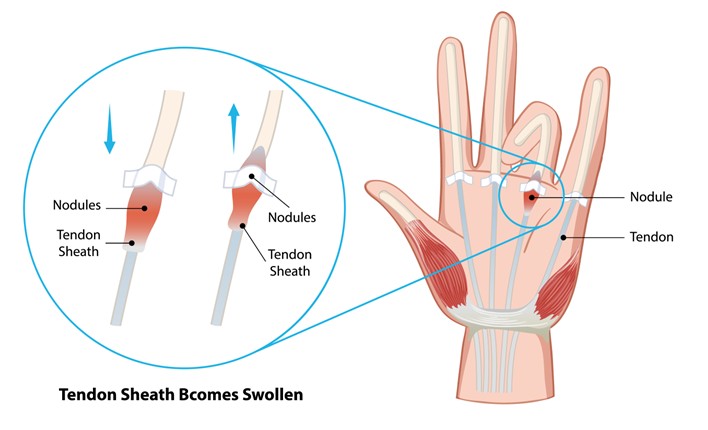
What is Trigger Finger?
Trigger finger occurs when the flexor tendons that bend the fingers become inflamed or thickened, leading to a catch or lock during movement. This can cause discomfort and limit hand function. Symptoms may include:
- Pain and tenderness at the base of the affected finger
- A clicking or snapping sensation when trying to straighten or bend the finger
- Finger stiffness, especially in the morning
- The finger getting stuck in a bent position
Indications for Trigger Finger Release Treatment
Trigger finger release is typically recommended for patients experiencing:
- Persistent symptoms that do not improve with conservative treatments, such as splinting or corticosteroid injections
- Significant pain or functional limitations affecting daily activities
- Severe cases where the finger locks in a bent position, requiring manual assistance to straighten
The Trigger Finger Release Procedure
The trigger finger release procedure involves the following steps:
- Anaesthesia: The procedure is performed under local or general anaesthesia to ensure patient comfort.
- Incision: A small incision is made at the base of the affected finger to access the tendon sheath.
- Release of the Tendon: The thickened portion of the tendon sheath is cut to relieve pressure on the flexor tendon, allowing for free movement.
- Closure: The incision is closed using sutures, and a dressing is applied to protect the area.
Recovery After Trigger Finger Release
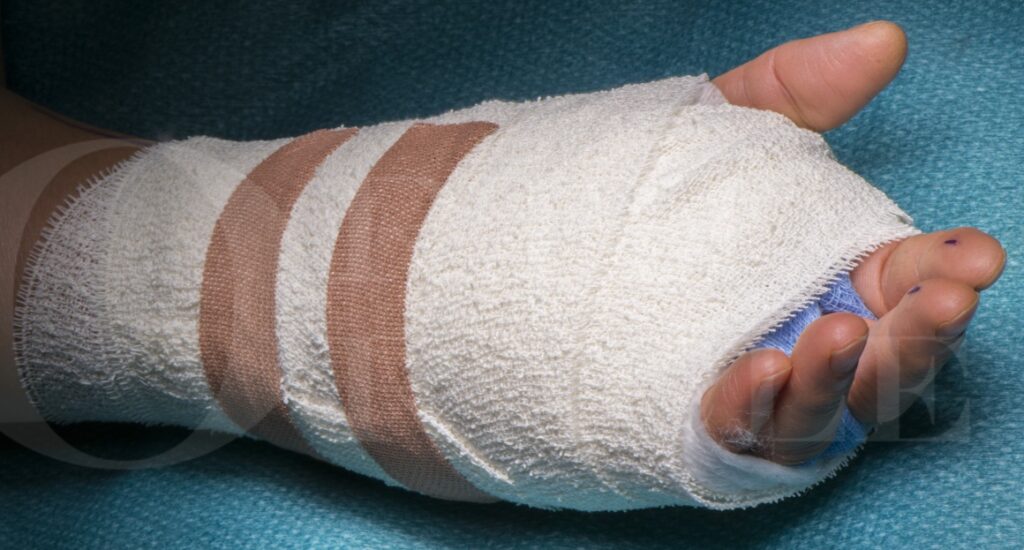
Recovery from trigger finger release generally involves:
- Hospital Stay: Most patients can go home the same day as the surgery.
- Pain Management: Medications may be prescribed to manage discomfort during the recovery period.
- Rehabilitation: A physiotherapy program may be recommended to improve hand strength and function.
- Activity Restrictions: Patients are advised to avoid heavy lifting and repetitive finger movements for a few weeks.
Long-Term Outcomes
Many patients experience significant relief from symptoms and improved hand function following trigger finger release. The procedure aims to enhance the quality of life by restoring normal finger movement and reducing pain.
Risks and Complications
As with any surgical procedure, trigger finger release carries potential risks, including:
- Infection at the surgical site
- Nerve injury or ongoing symptoms
- Scarring or stiffness in the finger
Our experienced team at Melbourne Orthopaedic Clinic will discuss these risks with you and provide thorough preoperative guidelines to minimise complications.
Trigger finger release is an effective surgical option for individuals suffering from the painful symptoms of trigger finger. With the expertise of our specialists at Melbourne Orthopaedic Clinic, you can expect personalised care focused on restoring your hand function and quality of life.