Upper Limb Orthopaedic Injuries
Understanding and managing serious upper limb trauma
Upper limb injuries from traumatic incidents can have a significant impact on daily life, affecting functionality and range of motion in the shoulder, elbow, and wrist joints. At Melbourne Orthopaedic Clinic, we specialise in assessing, diagnosing, and treating upper limb trauma, using advanced medical techniques to restore strength and mobility.
Types of Traumatic Orthopaedic Injuries – Upper Limb
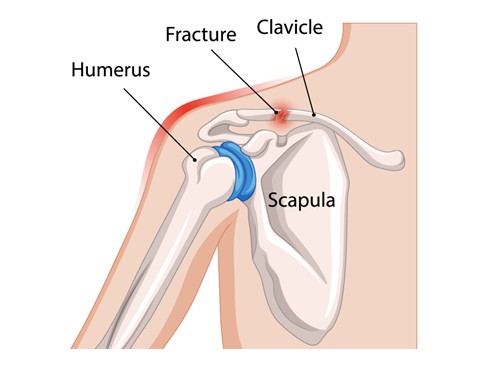
- Fractures: Including breaks in the shoulder, humerus, forearm, or wrist bones.
- Dislocations: Often occurring at the shoulder, elbow, or wrist, dislocations can damage surrounding ligaments and tendons.
- Tendon and Ligament Injuries: Resulting from strains, tears, or ruptures.
- Nerve Damage: Traumatic injuries can impact nerves, leading to pain, weakness, and sensory issues.
Causes of Upper Limb Injuries
Upper limb injuries frequently result from:
- Sports Accidents: High-impact sports can cause fractures, dislocations, and ligament damage.
- Falls: Landing on an outstretched arm can fracture or dislocate the shoulder or wrist.
- Motor Vehicle Accidents: These can produce significant trauma to bones and soft tissues of the upper limb.
- Occupational Hazards: Heavy lifting, repetitive motion, or sudden impact injuries can lead to fractures or soft tissue injuries.
Symptoms of Traumatic Upper Limb Injuries
Symptoms vary depending on the type and extent of the injury but may include:
- Intense Pain: Pain may be localised at the site of injury, especially during movement.
- Swelling and Bruising: Immediate swelling and discolouration are common in fractures and soft tissue injuries.
- Limited Range of Motion: Pain or structural damage can restrict mobility in affected areas.
- Deformity or Instability: Fractures or dislocations can alter joint alignment, creating visible deformities.
Diagnosis of Upper Limb Injuries
At Melbourne Orthopaedic Clinic, we employ comprehensive diagnostic techniques, including:
- Physical Examination: Assessing joint stability, pain response, and range of motion.
- Imaging: X-rays, CT scans, or MRIs offer detailed images of bones, ligaments, and tendons for accurate diagnosis.

Treatment Options for Upper Limb Injuries
Our approach to upper limb injury treatment combines non-surgical and surgical interventions, tailored to individual needs.
Non-Surgical Treatments
- Immobilisation: Casts or braces may be used to stabilise fractures and support healing.
- Physiotherapy: Targeted exercises help regain strength, mobility, and function.
- Pain Management: Medications and ice application can help manage pain and reduce inflammation.
Surgical Treatments
- Fracture Fixation: Severe fractures may require surgical fixation using plates, screws, or rods.
- Tendon Repair: Torn tendons may be surgically reattached for improved function.
- Joint Stabilisation: Reconstructive procedures restore joint stability and prevent future dislocations.
Comprehensive Rehabilitation
The Melbourne Orthopaedic Clinic team provides tailored rehabilitation programs focused on gradual strengthening, mobility restoration, and functional recovery, ensuring patients regain their independence and confidence in using their upper limbs. Our experienced team is committed to delivering high-quality, patient-centred care for traumatic orthopaedic injuries, enabling patients to achieve the best possible outcomes and return to their active lives with renewed functionality and comfort.