
Meniscal Injuries
Injury to the Knee’s Shock-Absorbing Cartilage Leading to Pain and Reduced Mobility
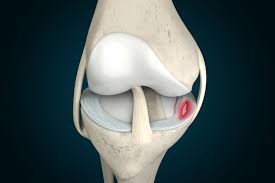
The meniscus is a C-shaped cartilage in your knee that cushions the thigh bone (femur) and shin bone (tibia). Each knee contains two menisci; one on the inner side (medial meniscus) and one on the outer side (lateral meniscus), that help distribute weight and stabilise the joint. When a meniscus is damaged, it can cause pain, swelling, and limit knee function.
On this page, you’ll learn about:
Common Causes of Meniscal Injuries
Meniscal injuries can arise from both sudden trauma and gradual wear over time. Common causes include twisting or rotating movements, particularly when the foot is planted, which frequently occurs in sports like football, tennis, and basketball. Over time, age-related degeneration can weaken the cartilage, making it more susceptible to injury. Even routine activities, such as squatting or stepping awkwardly, can lead to injuries in older adults.
Types of Meniscal Tears and Injuries
Meniscal injuries vary significantly in type and severity. Acute tears often result from sudden trauma, commonly seen in athletes and younger individuals. In contrast, degenerative tears develop over time as the meniscus weakens, primarily affecting older adults. Meniscal tears can be classified by their shape and location, including bucket handle tears, radial tears, and flap tears, each impacting knee function differently. Additionally, meniscal cysts can form near a torn meniscus, contributing to pain and swelling.
Recognising the Symptoms of Meniscal Damage
Symptoms of meniscal damage may include pain, swelling, and stiffness in the knee, which can develop gradually or appear immediately after an injury. Patients often report a popping sensation at the time of injury, followed by difficulties moving the knee through its full range of motion. A torn meniscus may lead to feelings of instability or giving way during activities, with potential locking or catching sensations when bending or straightening the knee.
Diagnosing Meniscal Injuries
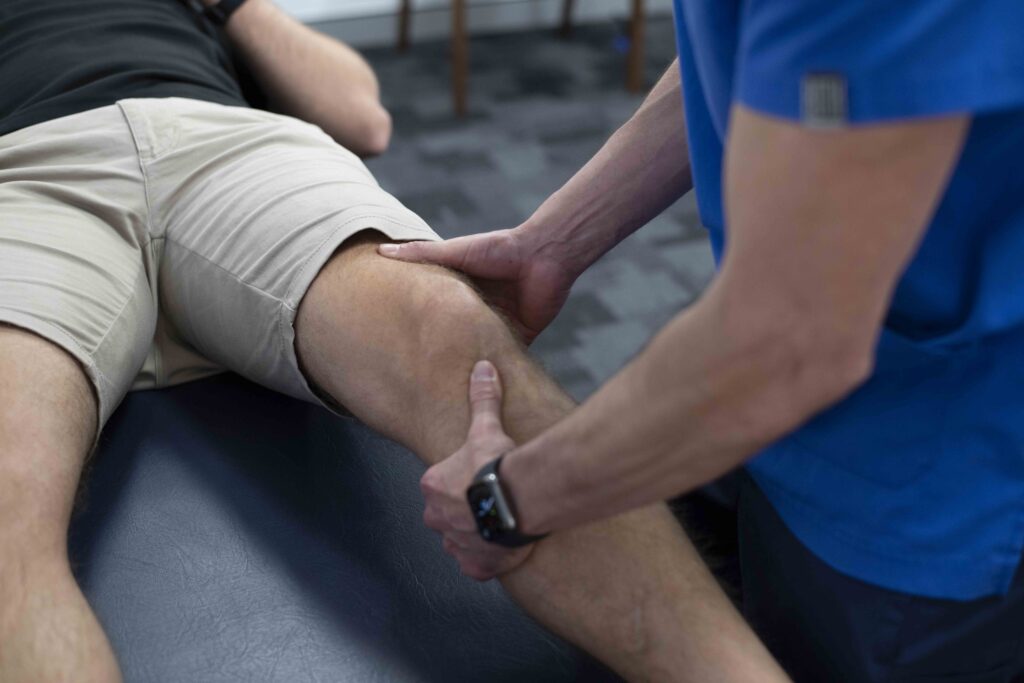
To diagnose a meniscal injury accurately, our clinic will begin with a comprehensive assessment of your medical history and perform a physical examination, focusing on knee stability and range of motion. Specific movements or tests may be utilised to identify the injury.
Imaging techniques, including MRI scans, are often recommended to provide detailed insights into the meniscus and confirm the severity of the tear. X-rays may also be employed to rule out fractures or other complications within the knee joint.
Comprehensive Treatment Options for Meniscal Tears
Treatment for meniscal injuries depends on factors such as the size, location, and severity of the tear, along with your age, activity level, and overall health. Our team will discuss the most appropriate treatment options tailored to your needs, which may include non-surgical and surgical approaches.
Non-Surgical Treatment
- R.I.C.E Therapy: Rest, Ice, Compression, and Elevation are fundamental in managing pain and reducing swelling.
- Medications: Non-steroidal anti-inflammatory drugs (NSAIDs) can alleviate pain and inflammation.
- Physiotherapy: A personalised exercise program aimed at strengthening the muscles around your knee can improve stability and function, especially effective for small, stable meniscal tears.
- Bracing: In some cases, a knee brace may provide additional support during recovery.
Surgical Treatment
If the tear is large, unstable, or causing significant symptoms, surgical intervention may be necessary. Our clinic offers advanced arthroscopic techniques to repair or remove the damaged portion of the meniscus.
- Meniscal Repair: In certain cases, the torn meniscus can be sutured back together, allowing for natural healing. This option is typically suitable for younger patients or those with tears in areas with adequate blood supply.
- Partial Meniscectomy: For irreparable tears, partial meniscectomy involves removing the damaged section of the meniscus while preserving as much healthy tissue as possible. This can alleviate symptoms and restore function.
- Meniscal Transplant: In cases of significant damage, meniscal transplant surgery may be an option, replacing the damaged meniscus with donor tissue.
Recovery from a meniscal injury varies based on the treatment method. If you undergo non-surgical treatment, recovery may take several weeks, during which you will engage in a physiotherapy program to restore strength and mobility. For those requiring surgery, recovery time may extend depending on the procedure’s complexity. Our team will collaborate with you to create a rehabilitation plan tailored to your needs, helping you regain full function and return to your regular activities.