Avascular Necrosis of the Hip (AVN)
Loss of blood supply to the hip bone causing joint pain, stiffness, and bone collapse
Avascular necrosis (AVN), also known as osteonecrosis, is a condition characterised by the interruption or reduction of blood supply to the head of the femur, which is the ball of the hip joint. This lack of proper blood flow results in the death of bone tissue, leading to the collapse of the femoral head and significant joint damage over time. If left untreated, AVN can cause severe pain, hip dysfunction, and potentially lead to arthritis. Early diagnosis and intervention are crucial to slowing the progression of the disease and preserving hip function.
On this page, you’ll learn about:
Causes of Avascular Hip Necrosis
Avascular necrosis can arise from various causes, and in some cases, the exact reason remains unknown (idiopathic). Common causes of AVN include:
- Trauma or Injury: A fracture or dislocation of the hip can compromise the blood vessels supplying the femoral head, leading to AVN.
- Long-term Steroid Use: Prolonged corticosteroid use, often prescribed for conditions such as asthma or rheumatoid arthritis, can adversely affect blood flow to the bones, increasing the risk of AVN.
- Excessive Alcohol Use: Chronic heavy drinking can disrupt blood circulation to the femoral head, resulting in osteonecrosis.
- Medical Conditions: Disorders such as sickle cell disease, lupus, and certain blood clotting issues can impair blood flow to the bones, elevating the risk of AVN.
- Radiation Therapy or Chemotherapy: Cancer treatments can damage blood vessels in the hip, increasing the likelihood of developing AVN.
Symptoms of Avascular Necrosis of the Hip
The symptoms of AVN typically develop gradually, worsening as the condition progresses and impacting daily activities. Common symptoms include:
- Hip Pain: Pain often presents in the groin, thigh, or buttock and may initially occur only during weight-bearing activities, such as walking or standing.
- Limited Range of Motion: As AVN progresses, stiffness may develop, making it challenging to move or rotate the leg.
- Limping: Weakness in the hip joint can lead to difficulties walking, resulting in a noticeable limp.
- Pain at Rest: In advanced stages, pain may persist even when resting or sitting down.
Diagnosis of Avascular Necrosis
When you consult with Melbourne Orthopaedic Clinic, in a thorough physical examination of your hip will be conducted to assess your range of motion and pain level. Your medical history will also be reviewed, including any risk factors associated with AVN.
Imaging tests are typically needed to confirm the diagnosis and evaluate the severity of the condition:
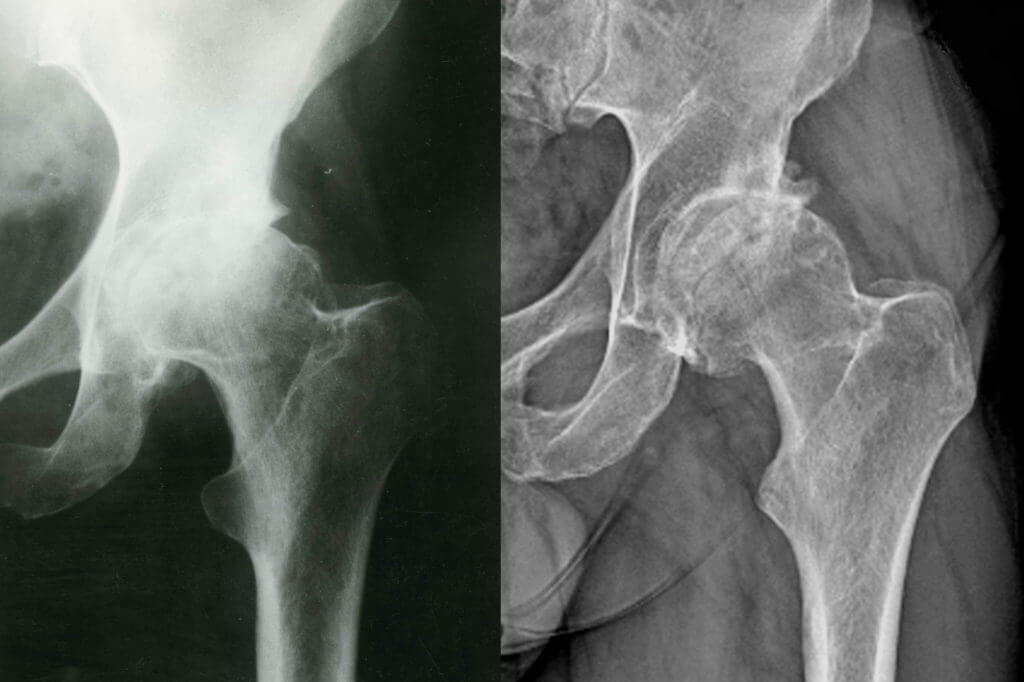
- X-rays: X-rays can reveal changes in the bone structure of the femoral head, particularly in the later stages when the bone begins to collapse.
- MRI: An MRI is the most sensitive test for diagnosing AVN in its early stages, as it can detect changes in the bone before they are visible on X-rays.
- Bone Scan: A bone scan may be performed to assess overall hip joint health and identify areas of reduced blood flow.
Treatment Options for Avascular Necrosis
Treatment for AVN depends on the stage of the condition and the extent of damage to the hip joint.
NON-SURGICAL TREATMENTS
In the early stages of AVN, non-surgical treatments may help manage symptoms and slow disease progression. Common non-surgical options include:
- Medications: Pain relievers, anti-inflammatories, and drugs that enhance blood flow to the bone may help alleviate symptoms and delay the progression of AVN.
- Activity Modification: Reducing weight-bearing activities and utilising assistive devices like crutches can relieve pressure on the hip joint, reducing pain and slowing damage.
- Physiotherapy: A structured physiotherapy program can maintain joint mobility and strengthen surrounding muscles, providing better support to the hip joint.
- Bisphosphonates: These medications, typically used for osteoporosis, may help slow bone damage in early-stage AVN.
SURGICAL TREATMENTS
If AVN is advanced or non-surgical treatments are ineffective, surgery may be necessary to prevent further damage or restore function. Surgical options for avascular necrosis of the hip include:
- Core Decompression: This procedure may relieve pressure within the bone and improve blood flow to the affected area. It involves removing a portion of the inner bone to reduce pain and stimulate healing.
- Bone Grafting: If core decompression is performed, a bone graft may be used to support the healing process and promote new bone growth in the damaged area.
- Osteotomy: This procedure reshapes the bone to relieve weight from the damaged portion of the femoral head, potentially delaying the need for a hip replacement.
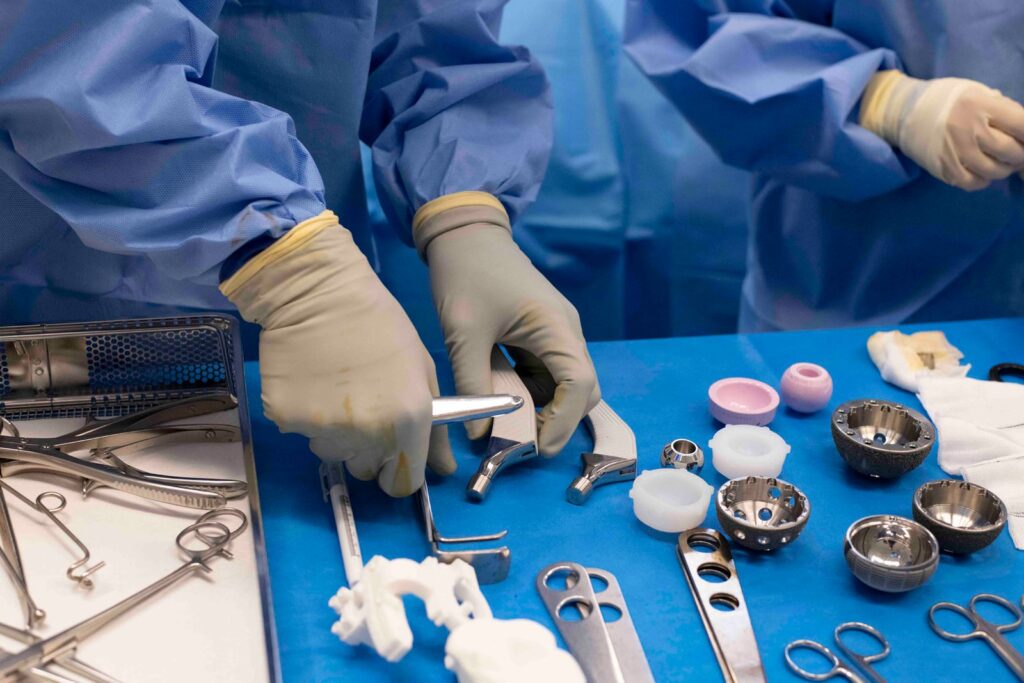
- Total Hip Replacement: In advanced stages where the bone has collapsed, a total hip replacement may be necessary to restore function and relieve pain, replacing the damaged joint with an artificial implant.
Avascular necrosis is a serious condition that can lead to severe joint damage if not addressed promptly. Early diagnosis and appropriate treatment are essential to slow the disease’s progression and maintain hip function. Melbourne Orthopaedic Clinic, will collaborate with you to create a tailored treatment plan based on your specific needs and the stage of your condition, aiming to relieve pain and enhance your quality of life.